An AI-Driven Pulsation Method of pVADs for Cardiac Digital Twins
Chaoran E, Chenghan Chen, Kaijie Qi, Tiefeng Cheng, Haiy Wang, Weiqing Xiong, Liuying Wang, Gezheng Zhao, Ziyu Liu, Qikai Hao, Yue Qiu
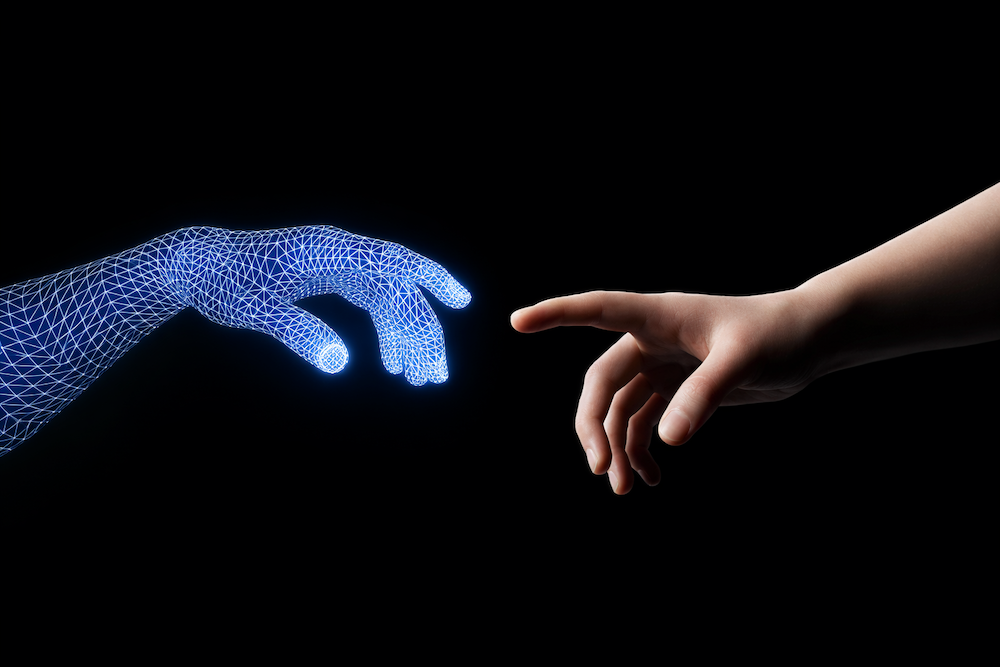
2nd International Workshop on Digital Twin for Healthcare (DT4H) in MICCAI 2026
Thank you to our speakers, authors, participants, and sponsors for making DT4H 2026 in Strasbourg a success. Explore the accepted papers, program, and highlights below.
View the RecapOur two sponsors supported a lively afternoon of research exchange and collaboration. Thank you for supporting the DT4H community.
View Sponsors32 papers accepted for DT4H 2026
Chaoran E, Chenghan Chen, Kaijie Qi, Tiefeng Cheng, Haiy Wang, Weiqing Xiong, Liuying Wang, Gezheng Zhao, Ziyu Liu, Qikai Hao, Yue Qiu
Zhenyin Fu, Zhaokai Kong, Lucheng Xu, Mingfeng Jiang, Ling Xia, Wenlong Xu, Ruiqing Dong, Dongdong Deng
Ziqi Zhou, Yubo Ye, Sumeet Atul Vadhavka, Linwei Wang, Zhiqiang Tao
Miao Zhao, Shibo Li, Xu Chen, Sayed Al-Aidarous, Shohreh Honarbakhsh, Venet Osmani, Gregory Slabaugh, Caroline Roney
Dang P. M. Cao, Hieu Pham
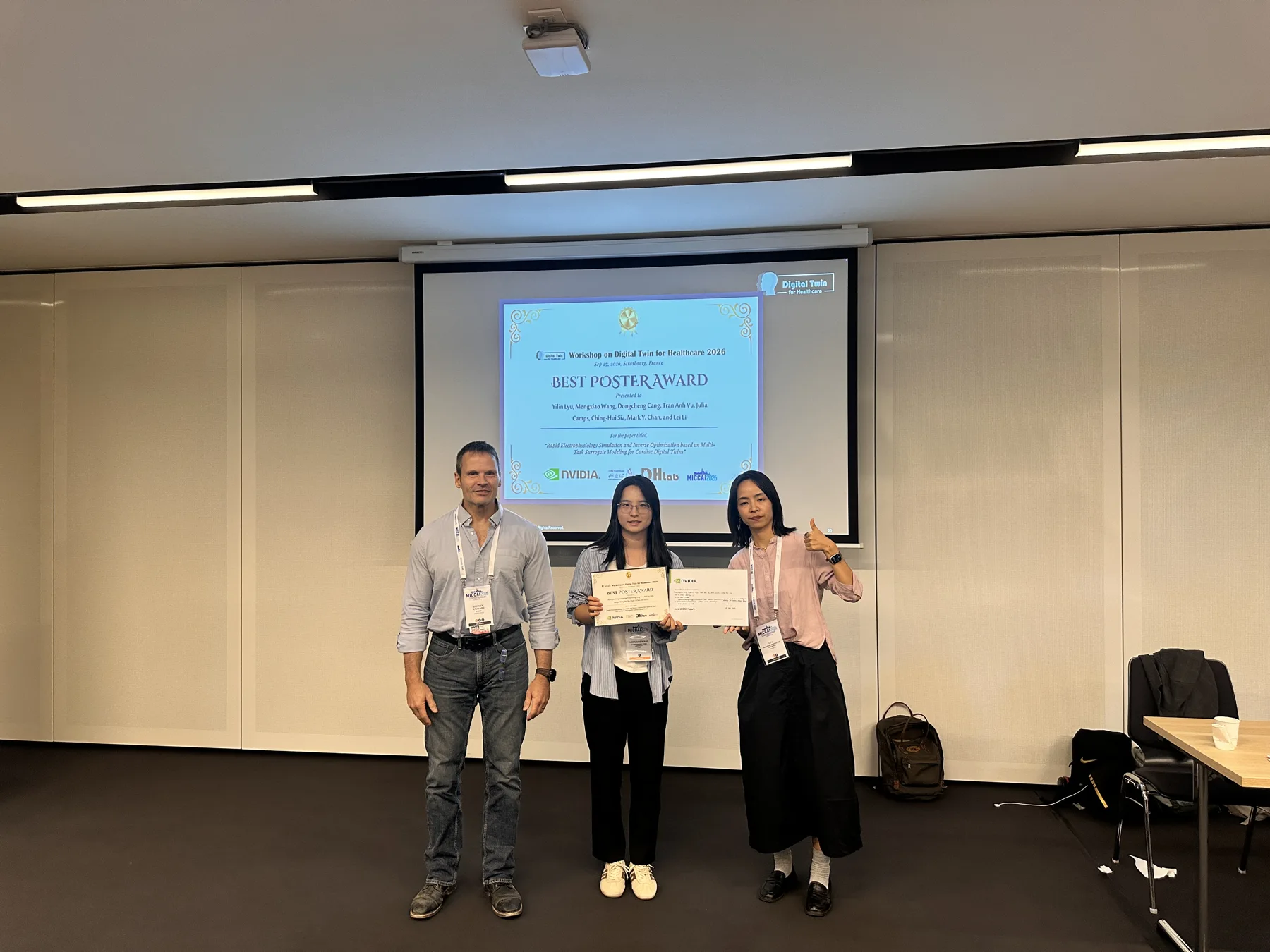
Yilin Lyu, Mengxiao Wang, Dongcheng Cang, Tran Anh Vu, Julia Camps, Ching-Hui Sia, Mark Y. Chan, Lei Li
Yusongjia Zhang, Xingyao Wang, Xiuyu Qi, Chang Cui, Weizhu Ju, Lei Li
Stefano Buoso, Valery L. Visser, Pia Leuders, Maximilian Fuetterer, Christina Spengler, Sebastian Kozerke
Tan Anh Nguyen, Hyungmin Jun
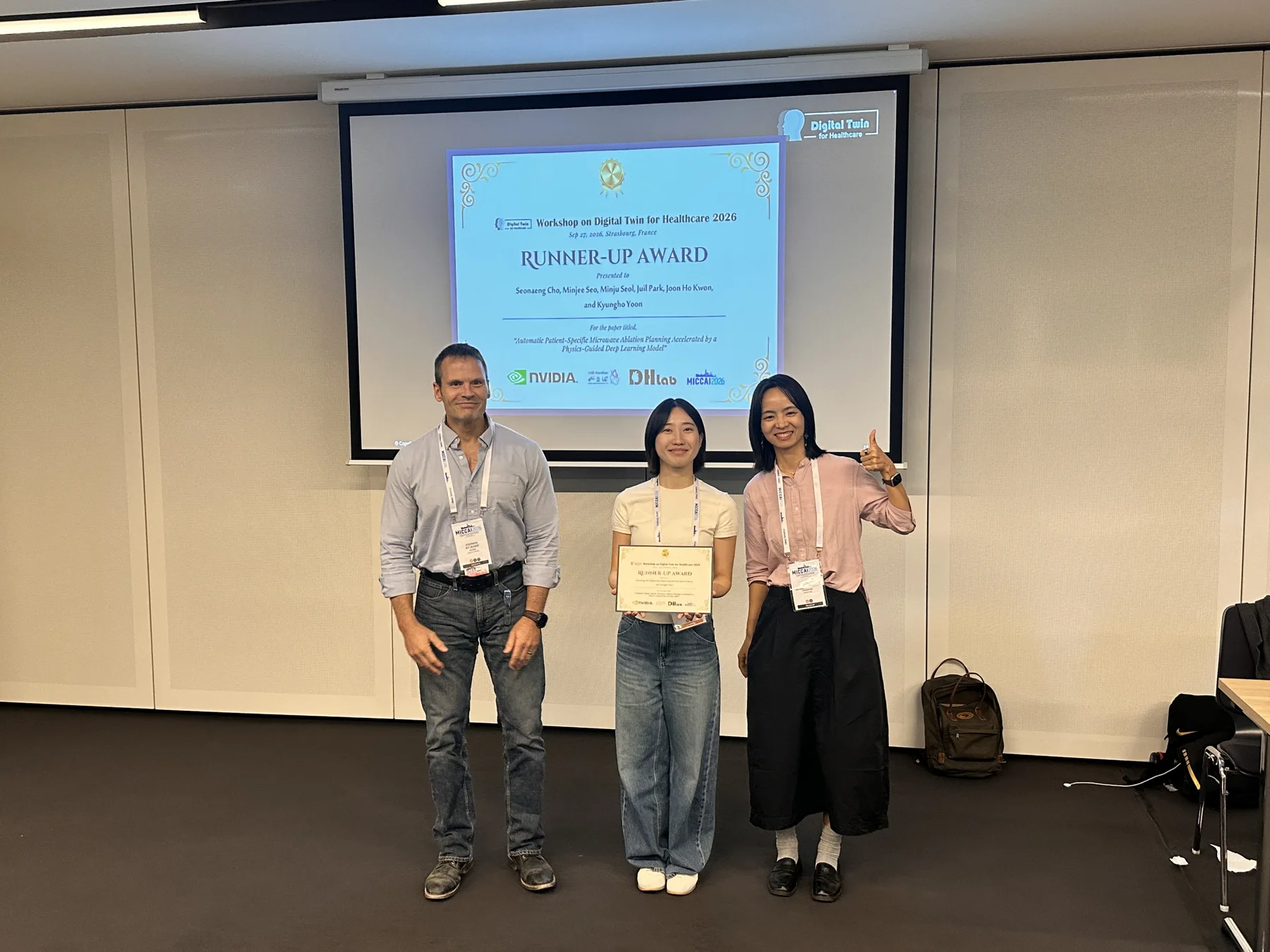
Seonaeng Cho, Minjee Seo, Minju Seol, Juil Park, Joon Ho Kwon, Kyungho Yoon
Minju Seol, Minjee Seo, Seonaeng Cho, Kyungho Yoon
Minjee Seo, Haris Ghafoor, Minju Seol, Seonaeng Cho, Kyungho Yoon
Dongyun Lee, Kyungho Yoon, Minwoo Shin
Yizhou Wu, Yuheng Li, Xiaofeng Yang, Chih-Wei Chang
Michael Holtz, Frankangel Servin, Jon S. Heiselman, Michael I. Miga, Linwei Wang
Raunak Samanta, Adarsh Raghunath, Chloé Audigier, Teodor Ionut Matei, Oliver Frings, Andreas Maier, Felix Meister
Amaia Iribar-Zabala, Laura Pérez-Sánchez, Marcos Garro-Tejerina, Javier Pascau, Andoni Beristain-Iraola, Mónica García-Sevilla
Youjin Kim, Kyungho Yoon, Minwoo Shin
Hendrik Möller, Alissa Yuxuan Wang, Robert Graf, Kati Nispel, Matan Atad, Bjoern Menze, Daniel Rueckert, Jan S. Kirschke, Tanja Lerchl
Nayoung Son, Minwoo Shin
Junkyung Ju, Kyungho Yoon, Minwoo Shin
Zhen Tian, Shiran Zhang, Beiqi Chen, Mingguang He
Han Zhang, Boyang Zhao, Mathias Unberath
John Garcia-Henao, Norman Juchler, Cindy Guerrero-Toro, Nicholas Bünger, Benedikt Herzog, Benjamin Vella, Dominik Kunz, Armando Hoch, Sven Hirsch, Sebastiano Caprara
Prateek Mathur, Aonghus Lawlor, Brendan S. Kelly
Yeonjae Jung, Minwoo Shin
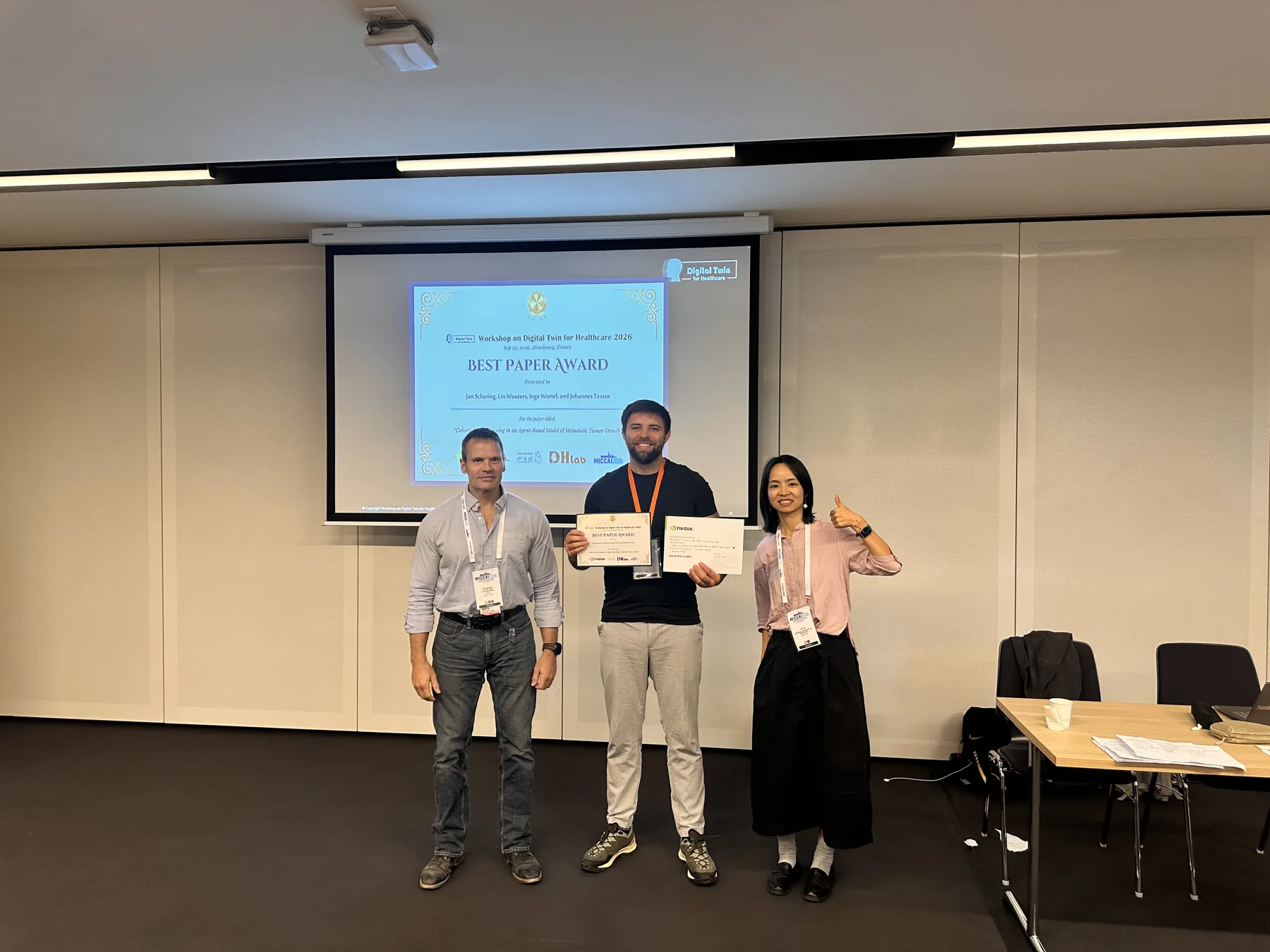
Jan Schering, Lin Wouters, Inge Wortel, Johannes Textor
Leen Houri, Natyra Tahiri, Gaspar Voelker, Elina Arlanch, Marie Koechert, Jonatan Frank, Leonid Kuligin, Jannik Lübberstedt, Keno Bressem, Martin Boeker, Maximilian Tschochohei, Jacqueline Lammert
Avery Shuo Wang, Zheng Wei, Jiaxin Liu, Yiwei Dong, Wansi Deng, Xueli Zhang, Xianwen Shang, Xin Zhou, Mingguang He, Jing Zhang
Jiaxin Liu, Zheng Wei, Avery Shuo Wang, Yiwei Dong, Wansi Deng, Xianwen Shang, Xin Zhou, Xueli Zhang, Mingguang He, Jing Zhang
Zheng Wei, Jiaxin Liu, Avery Shuo Wang, Yiwei Dong, Wansi Deng, Xueli Zhang, Xianwen Shang, Xin Zhou, Mingguang He, Jing Zhang
Sung man Hong, Sangjeong Ahn
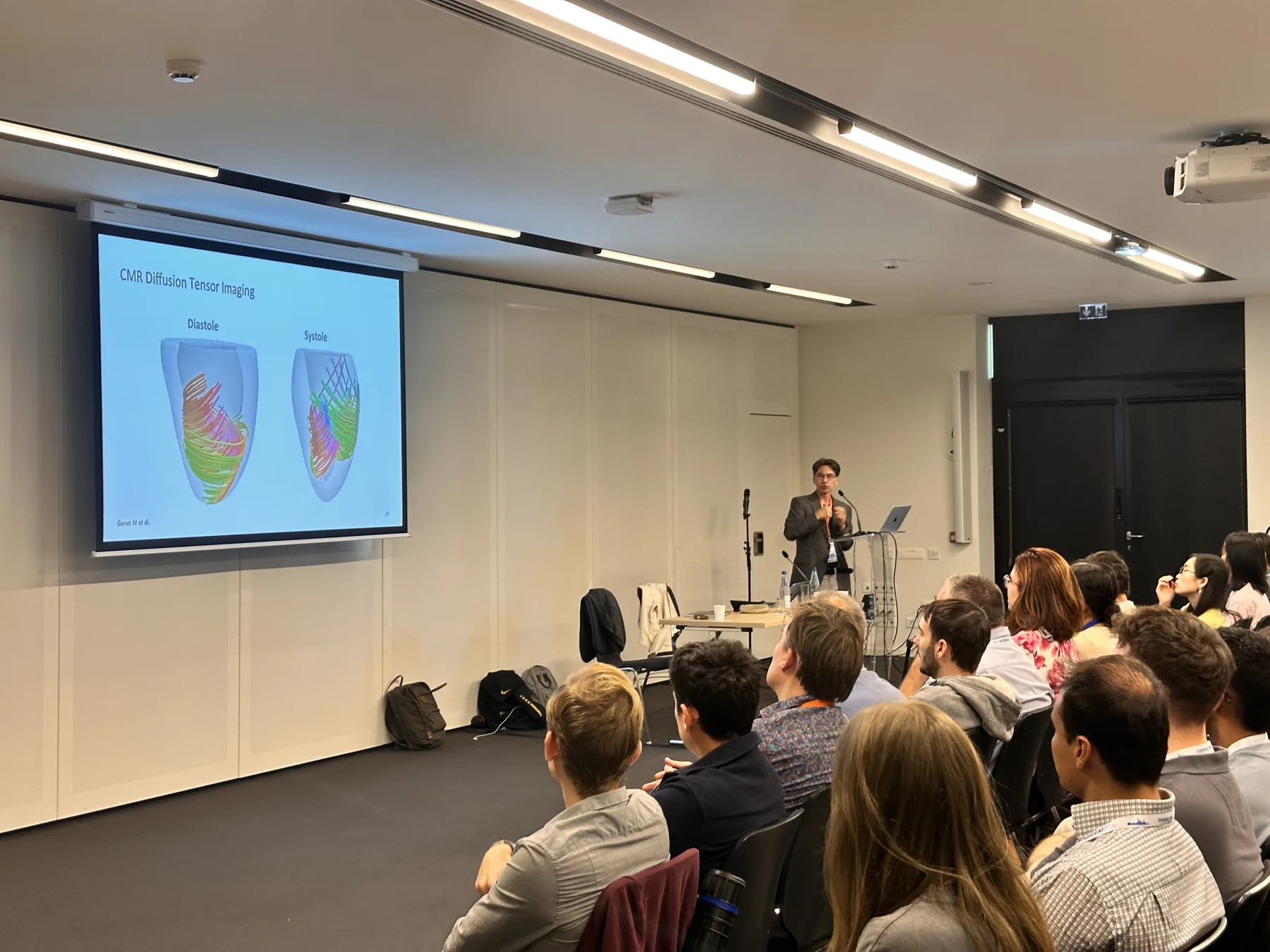
This lecture will reflect on the evolution of cardiovascular magnetic resonance (CMR) imaging from accelerated image reconstruction toward physics-informed digital twinning, highlighting how recent advances in artificial intelligence, computational modeling, and data-driven inference are reshaping the field. Beginning with the transition from supervised to self-supervised and generalizable reconstruction methods, the lecture will discuss how modern learning-based approaches can recover high-quality images from highly undersampled data while reducing dependence on fully sampled references. The presentation will further examine the growing role of biophysical modeling and synthetic data generation in overcoming one of the central challenges in medical AI: the lack of reliable ground truth. By integrating computational physiology, virtual MRI scanners, and controllable image synthesis, emerging frameworks now enable the generation of realistic paired datasets for training, validation, and uncertainty quantification of AI/ML methods in cardiovascular imaging. Examples including FlowMRI-Net, synthetic 4D/5D flow MRI, and physics-informed late gadolinium enhancement synthesis will illustrate how these tools are advancing robust image analysis and inference. Finally, the lecture will place these developments into the broader context of personalized cardiovascular medicine through the concept of digital twins. The SwissHeart initiative will serve as an example of how multimodal imaging, physiological measurements, biomarkers, and computational models can be integrated to create population-scale digital twins capable of characterizing healthy variation, tracking disease progression, and ultimately informing individualized prediction and intervention. The keynote will conclude with a perspective on future opportunities and challenges for uncertainty-aware, interpretable, and clinically deployable AI in cardiovascular imaging.
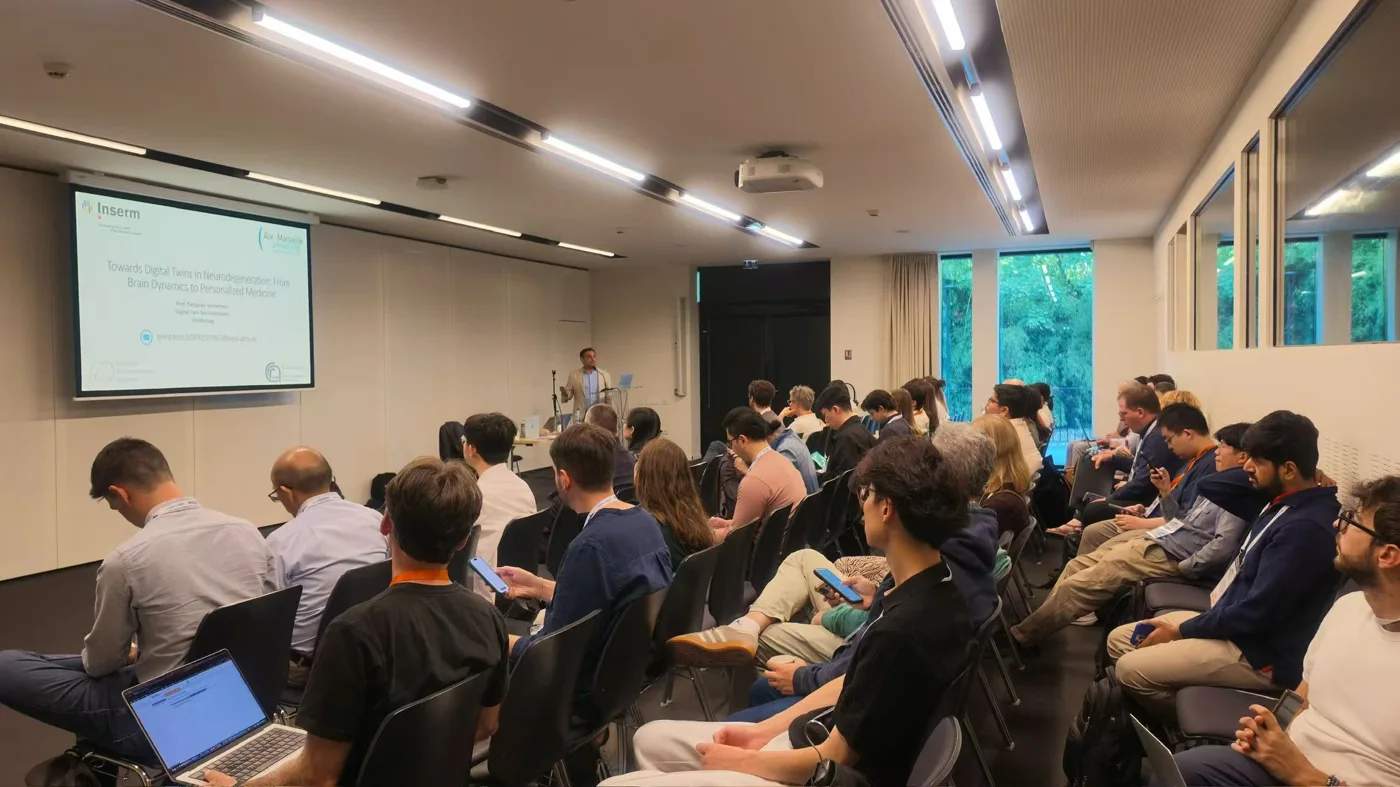
Read moreComputational models are increasingly becoming mechanistic frameworks that link biological processes with clinical observations. In this talk, I will discuss how mechanistic whole-brain computational models can infer latent physiological alterations directly from electrophysiological recordings, providing quantitative biomarkers inaccessible to conventional analyses. Drawing on recent work, I will illustrate how personalized models might capture disease-specific alterations, for example in terms of neural excitability, conduction delays, or the effect of drugs, offering mechanistic explanations for clinical heterogeneity and disease progression. I will give examples for multiple diseases. Finally, I will discuss the emerging concept of the digital twin: individualized computational representations of patients that integrate multimodal data to improve prediction of clinically relevant features and ultimately enable precision neurology.
Read more27 September 2026 · Palace of Music and Congresses · Londrezs 1
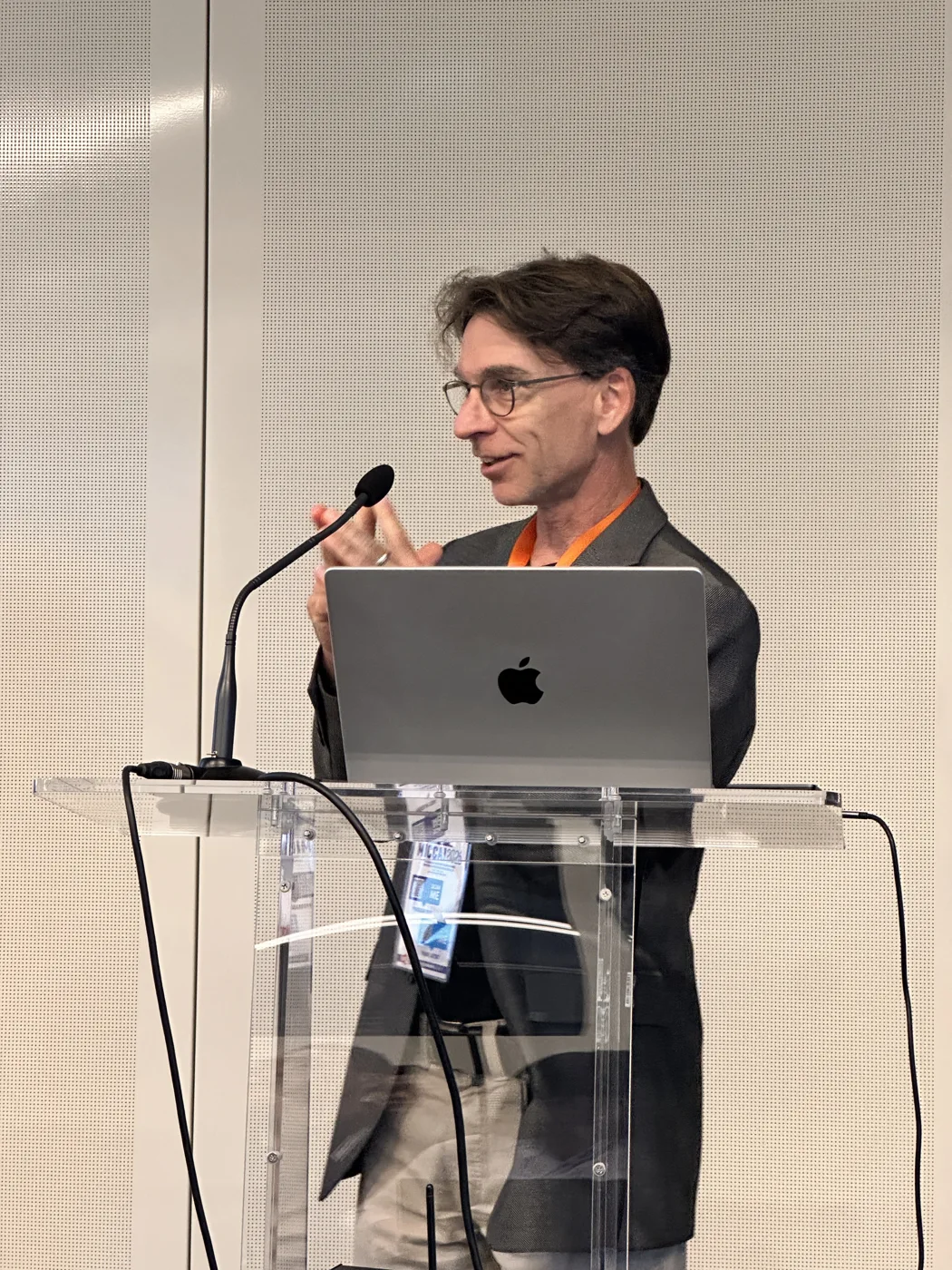
Prof. Sebastian Kozerke
From Spins to Images to Digital Twins and Back Again
Session Chair: Xuan Yang
Prof. Pierpaolo Sorrentino
Towards Digital Twins in Neurodegeneration: From Brain Dynamics to Personalized Medicine
Session Chair: Tran Anh Vu
Session Chair: Xuan Yang
Leen Houri (TUM, Germany)
Toward Oncology Digital Twins: Leveraging LLMs for Automated Longitudinal Data Ingestion in Ovarian Cancer Care
Johannes Textor (RU, Netherlands)
Cohort-Level Twinning in an Agent-Based Model of Metastatic Tumor Growth
Hendrik Möller (TUM, Germany)
VERPEX: Anatomical Landmark Extraction on 3D Vertebrae exploiting Segmentation Masks
Tian Zhen (HK PolyU, China)
PanOCT: A Unified Whole-Eye OCT Reconstruction Framework for Ocular Digital Twin Construction
Chih-Wei Chang (Emory, USA)
Anticipatory Digital Twins for Online Head-and-Neck Adaptive Proton Therapy via Foundation-Model Registration
Session Chair: Tran Anh Vu
Miao Zhao (QMUL, UK)
Improving Anatomical Continuity in Synthetic Left Atrial LGE-MRI Using Inter-Slice Attention
Seonaeng Cho (Yonsei, South Korea)
Automatic Patient-Specific Microwave Ablation Planning Accelerated by a Physics-Guided Deep Learning Model
Prateek Mathur (UCD, Ireland)
From Treatment Choices to Tumour Trajectories: Proof-of-Concept in Preference-Aware Agentic Simulation for DT
Mathias Unberath (JHU, USA)
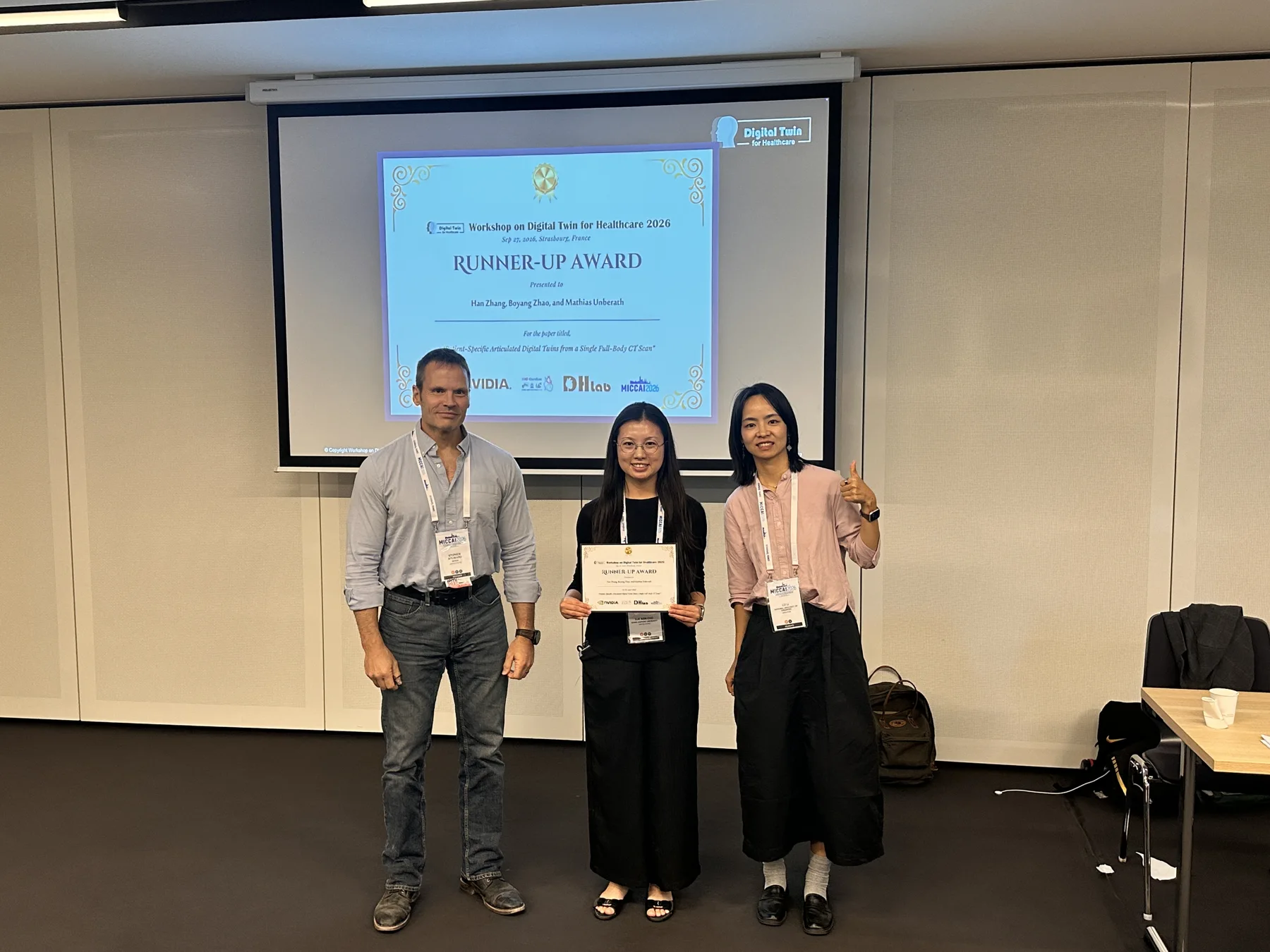
Patient-Specific Articulated Digital Twins from a Single Full-Body CT Scan
Sungman Hong (KU, South Korea)
A Digital Twin Framework for ICU Delirium Using SAITS-Based Patient State Embeddings
Strasbourg · 27 September 2026
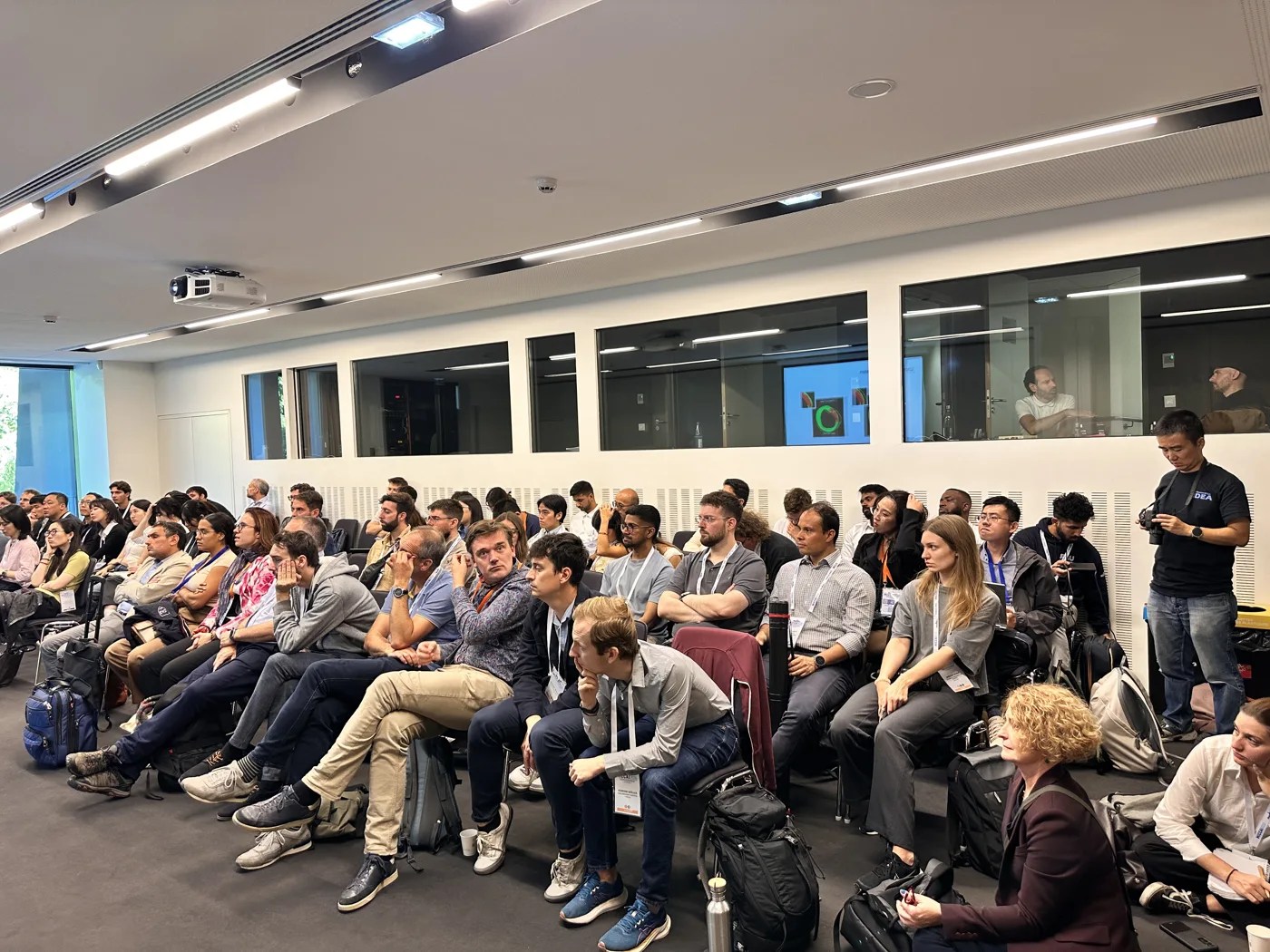
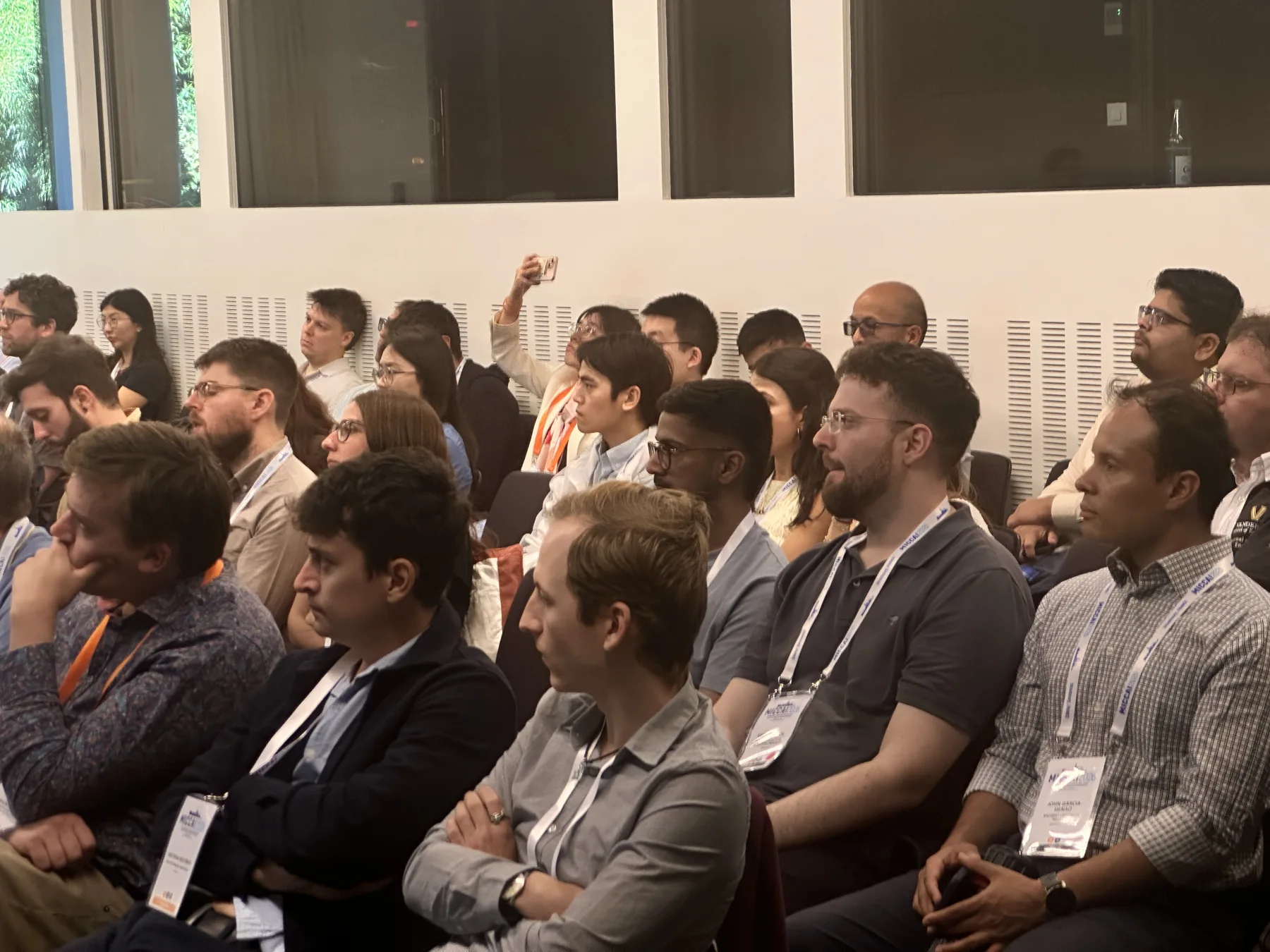
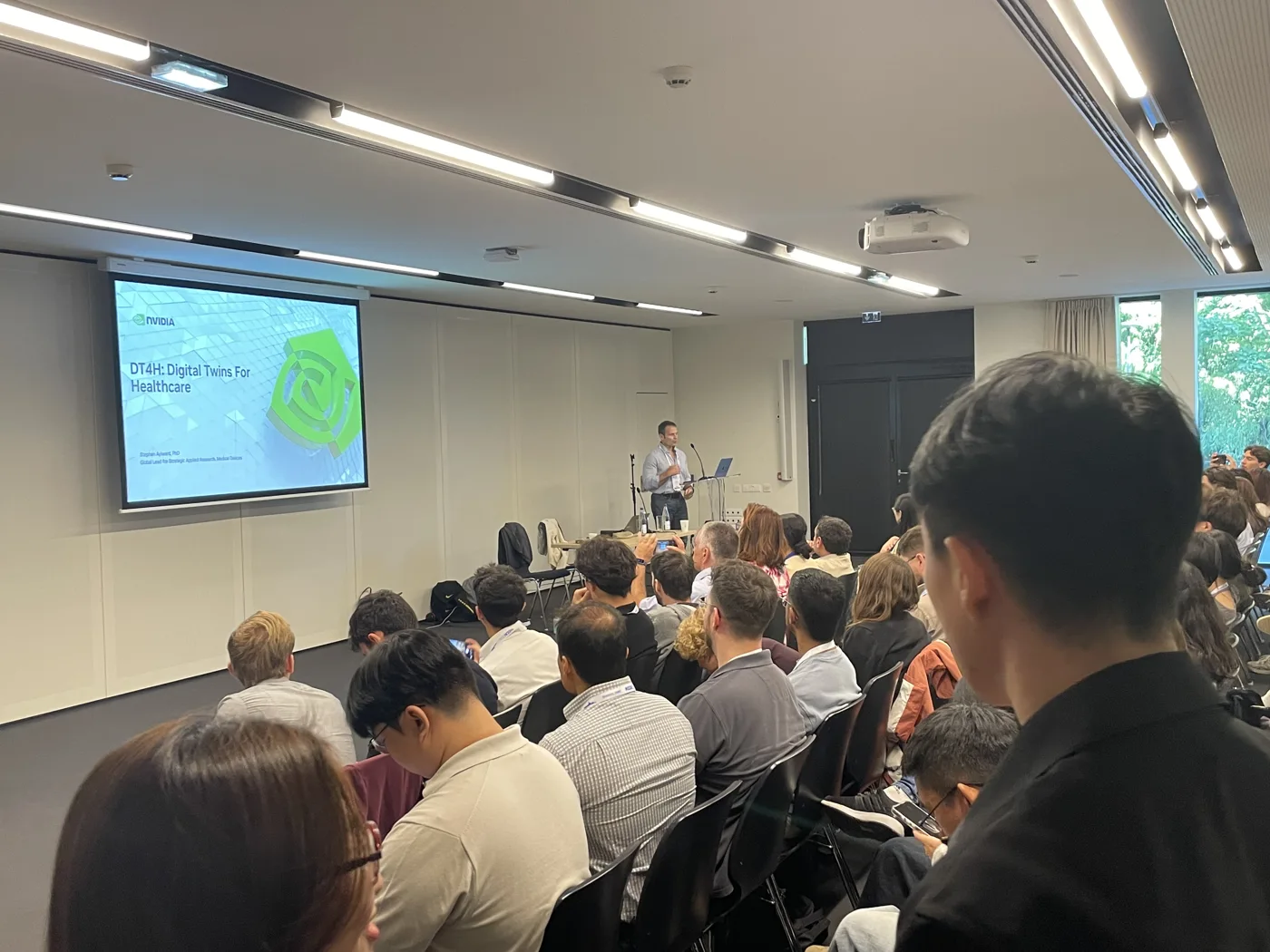
The second Digital Twin for Healthcare workshop brought together more than 80 participants from 19 countries and regions at MICCAI 2026.
With 32 accepted papers and the support of two sponsors, the afternoon connected medical imaging, computational modeling, and AI through keynote talks, oral presentations, and poster discussions.
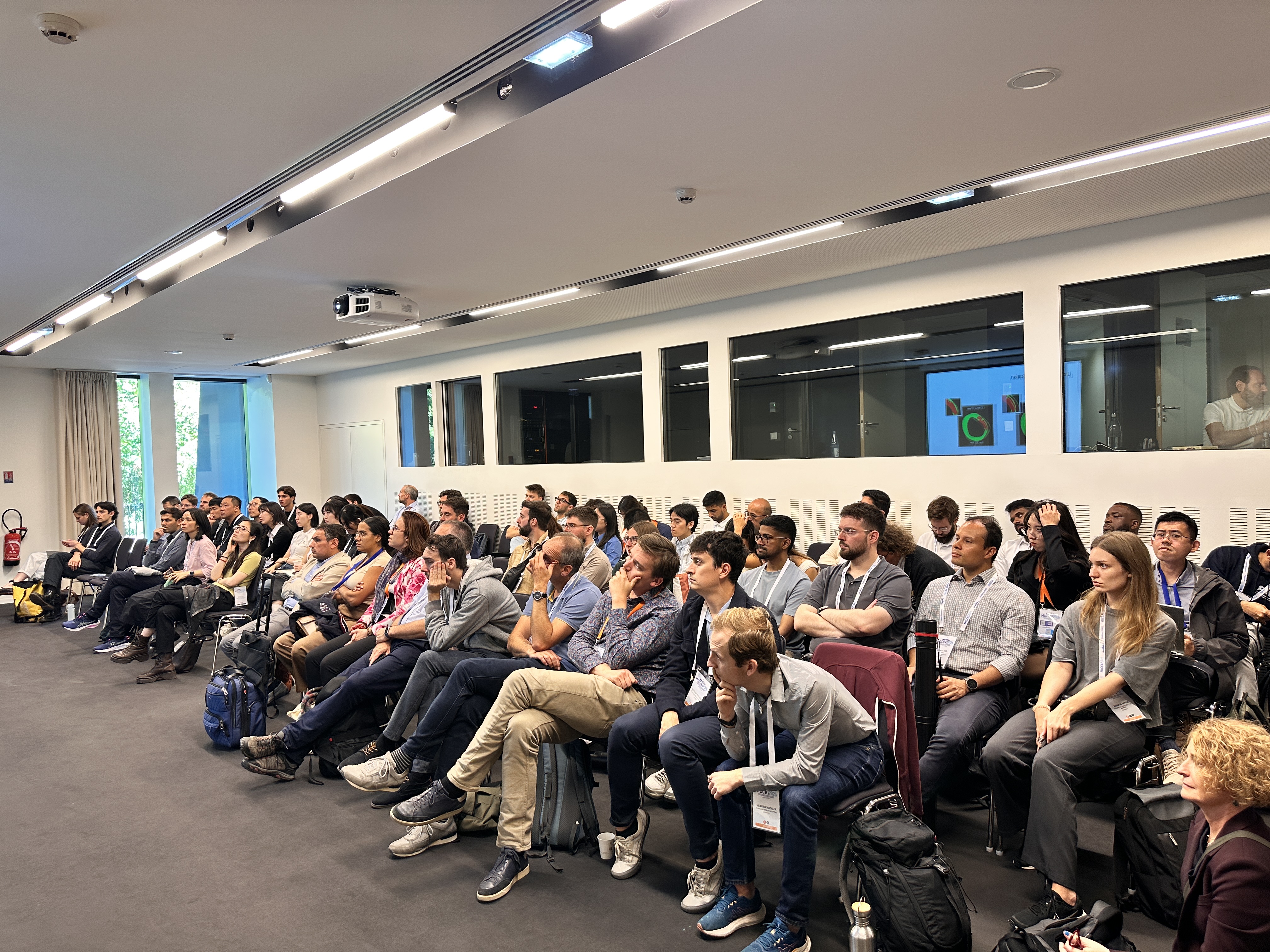
81 participants · 19 countries / regions
Position distribution · 70 responses
Participant research themes · multiple themes per participant · percentages out of 81
01 / Highlights
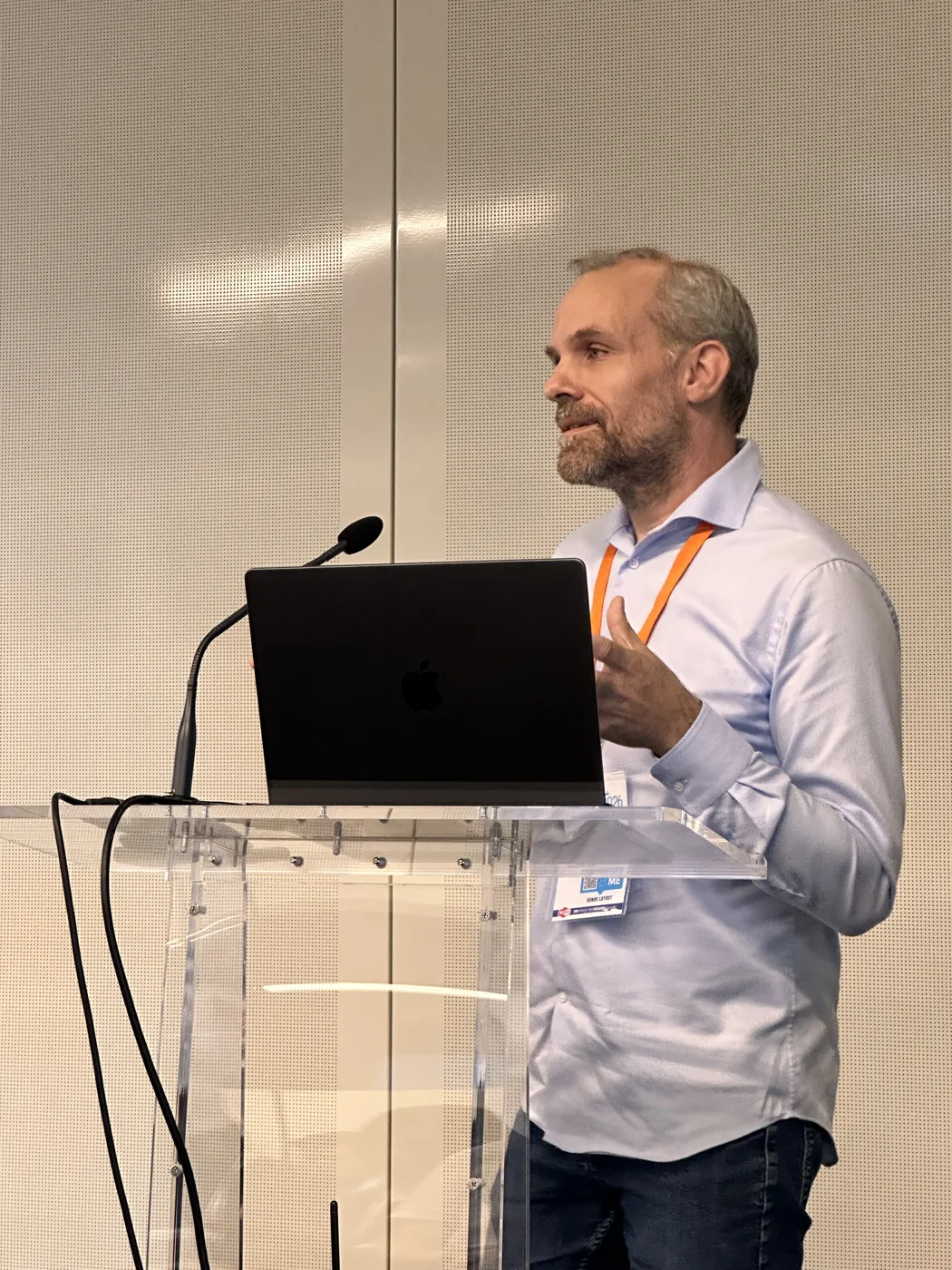
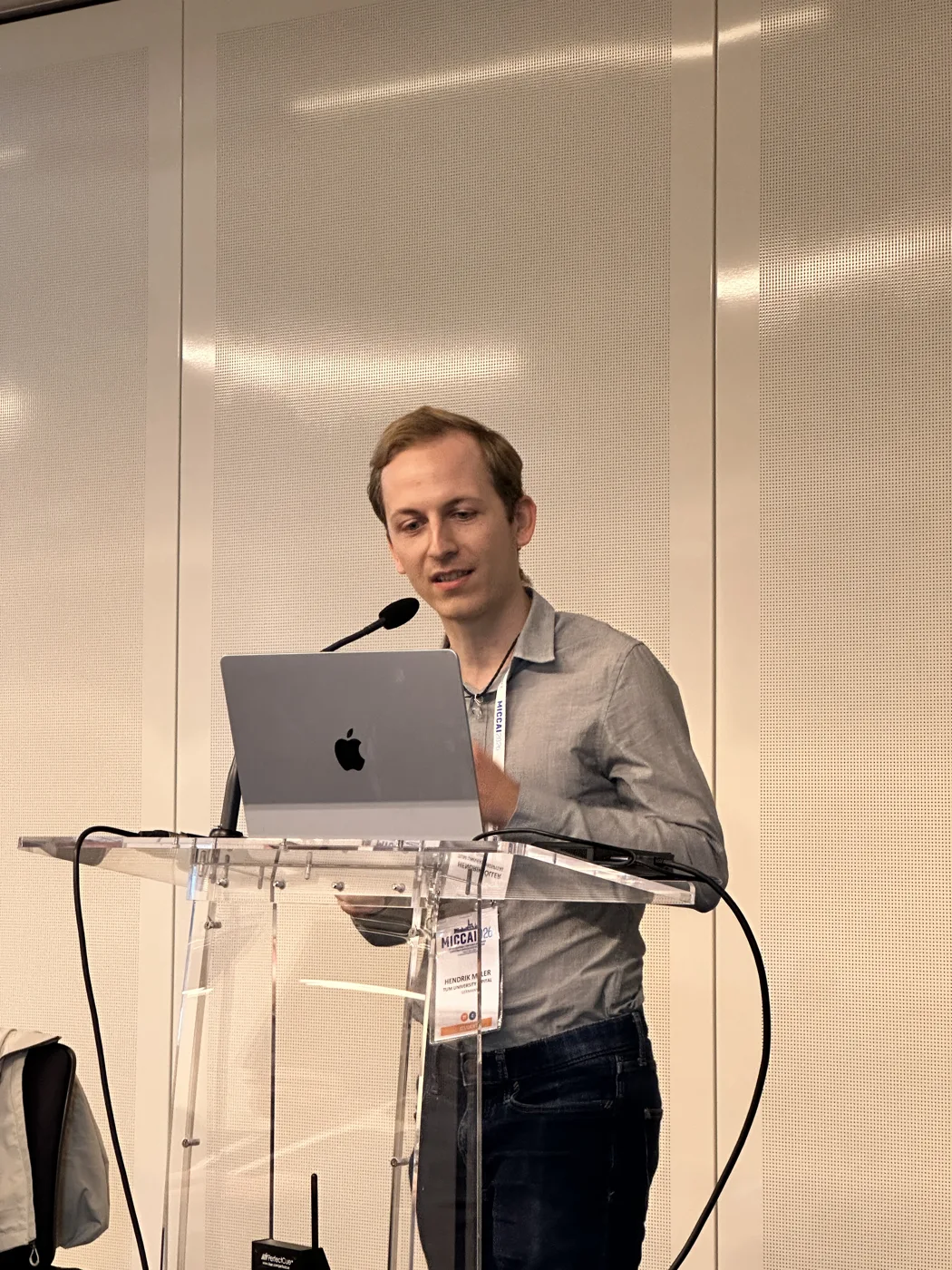
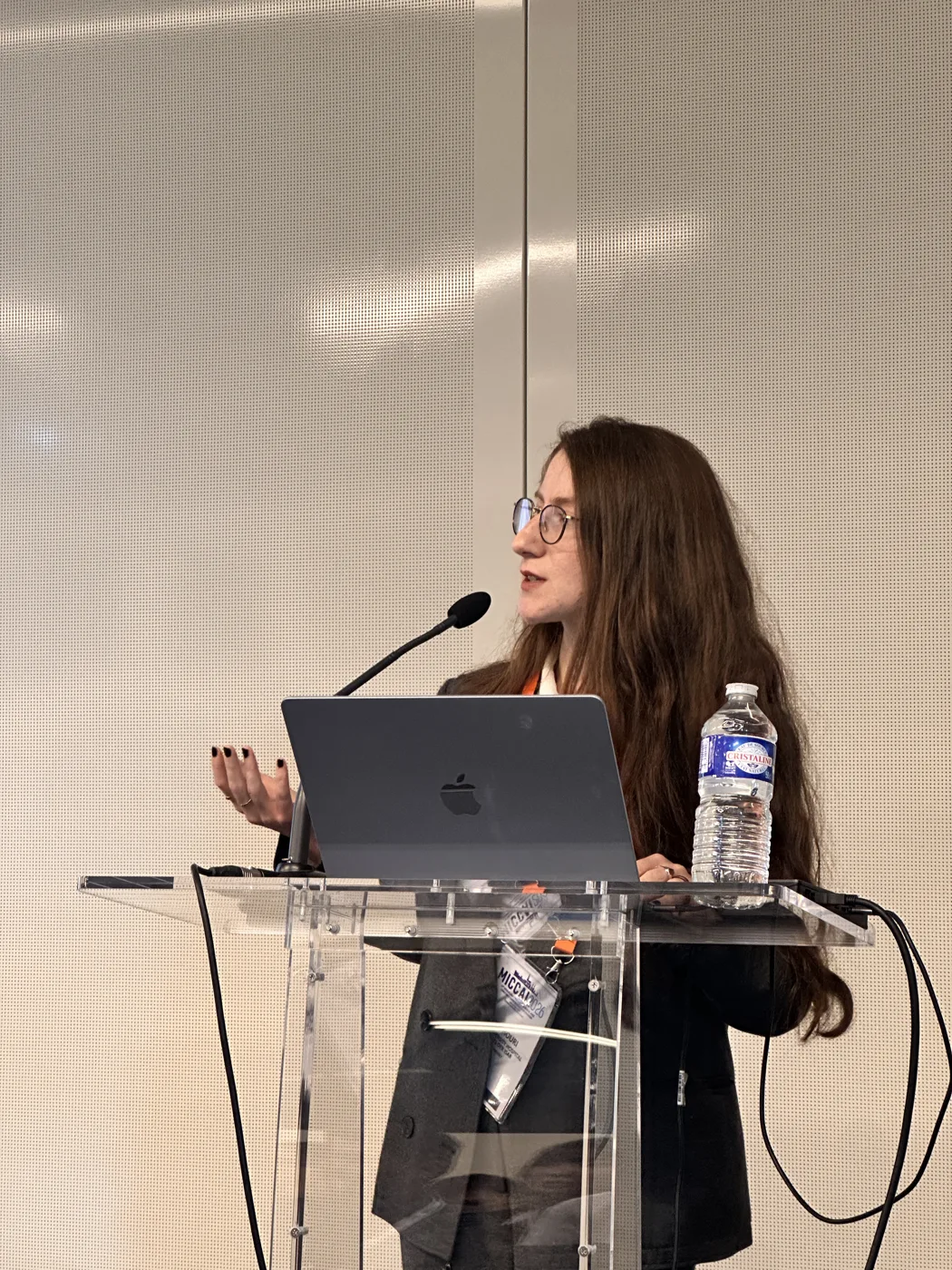
From keynote perspectives to new research presented by the community.
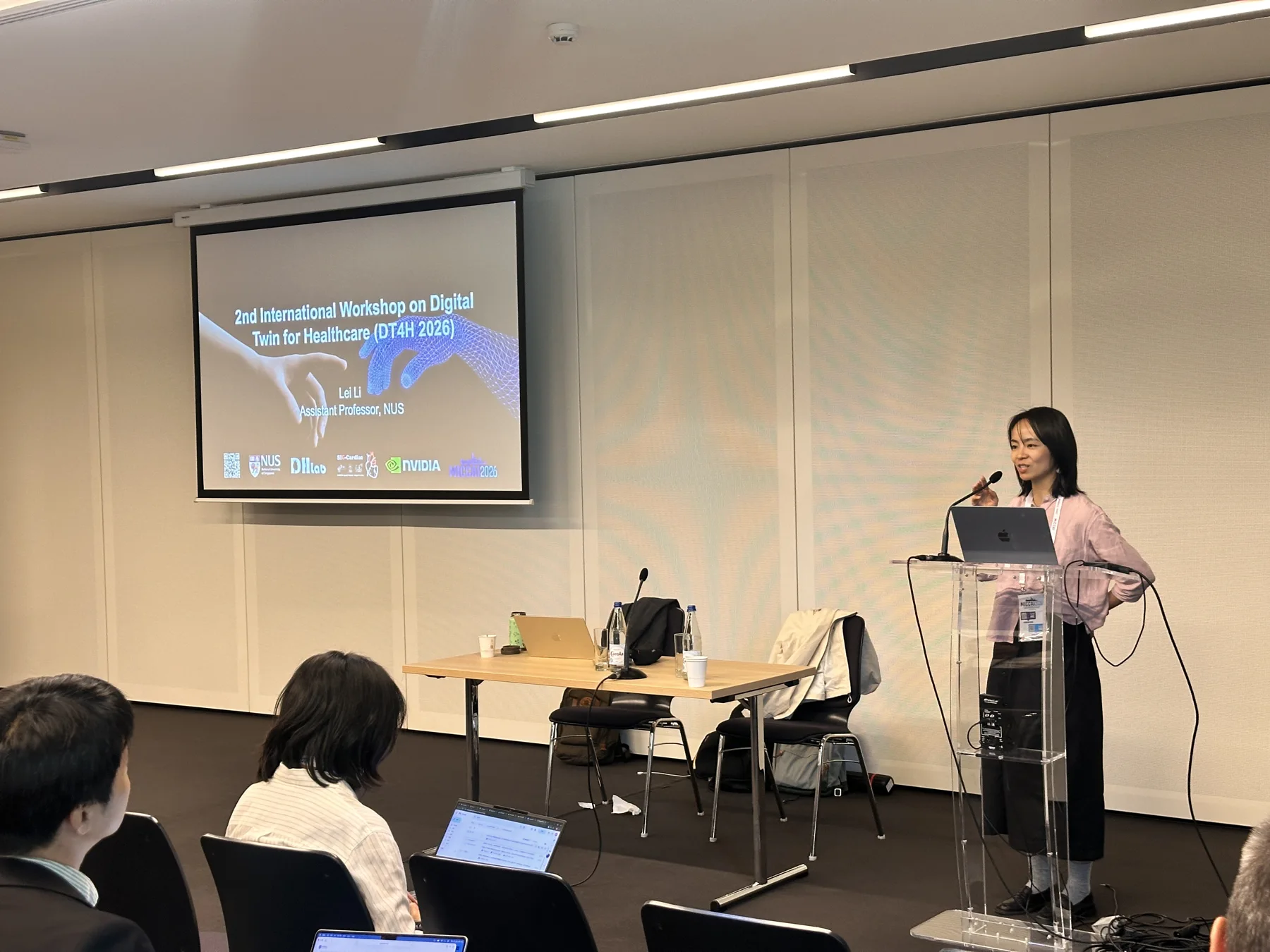
02 / Highlights
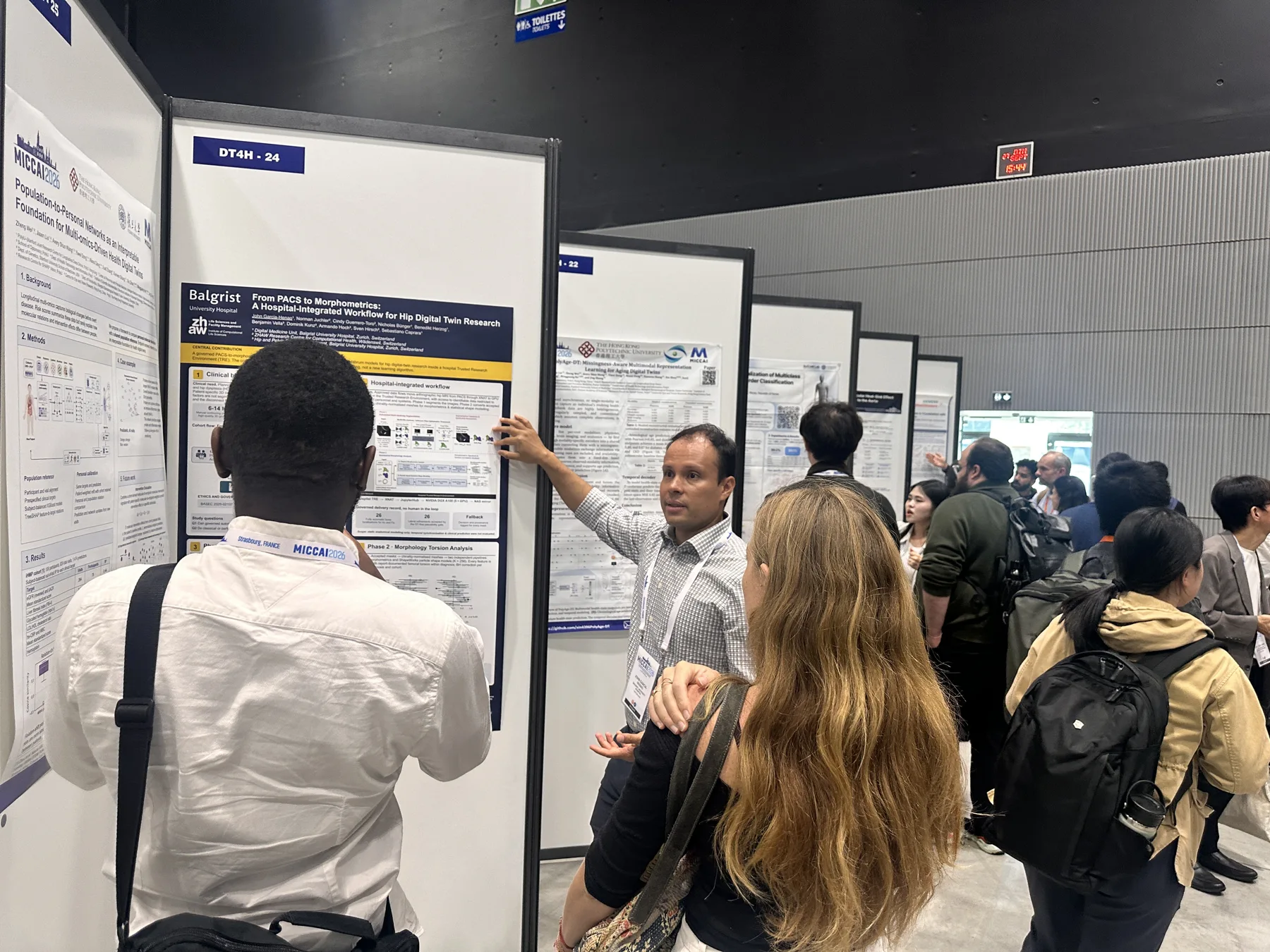
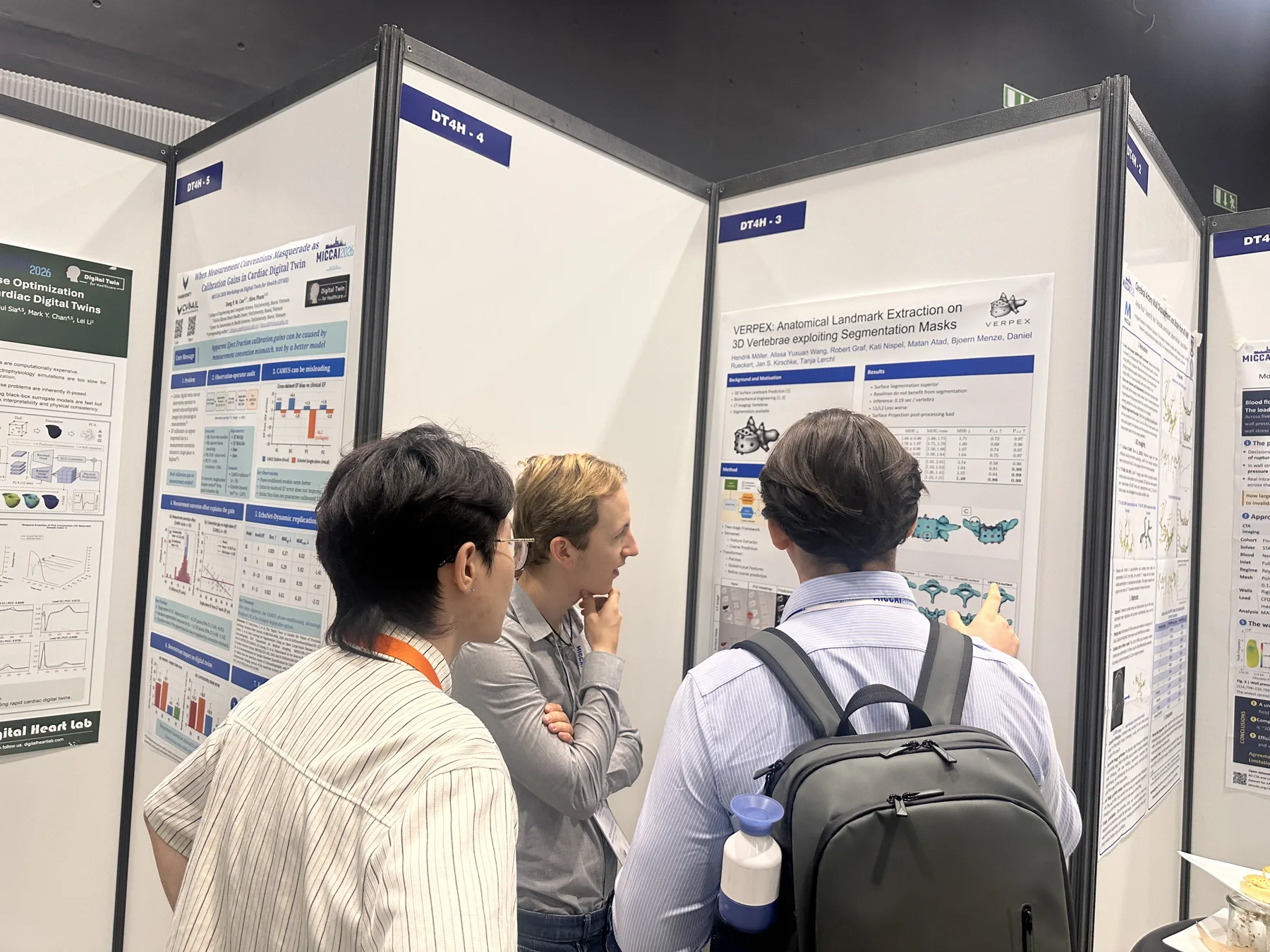
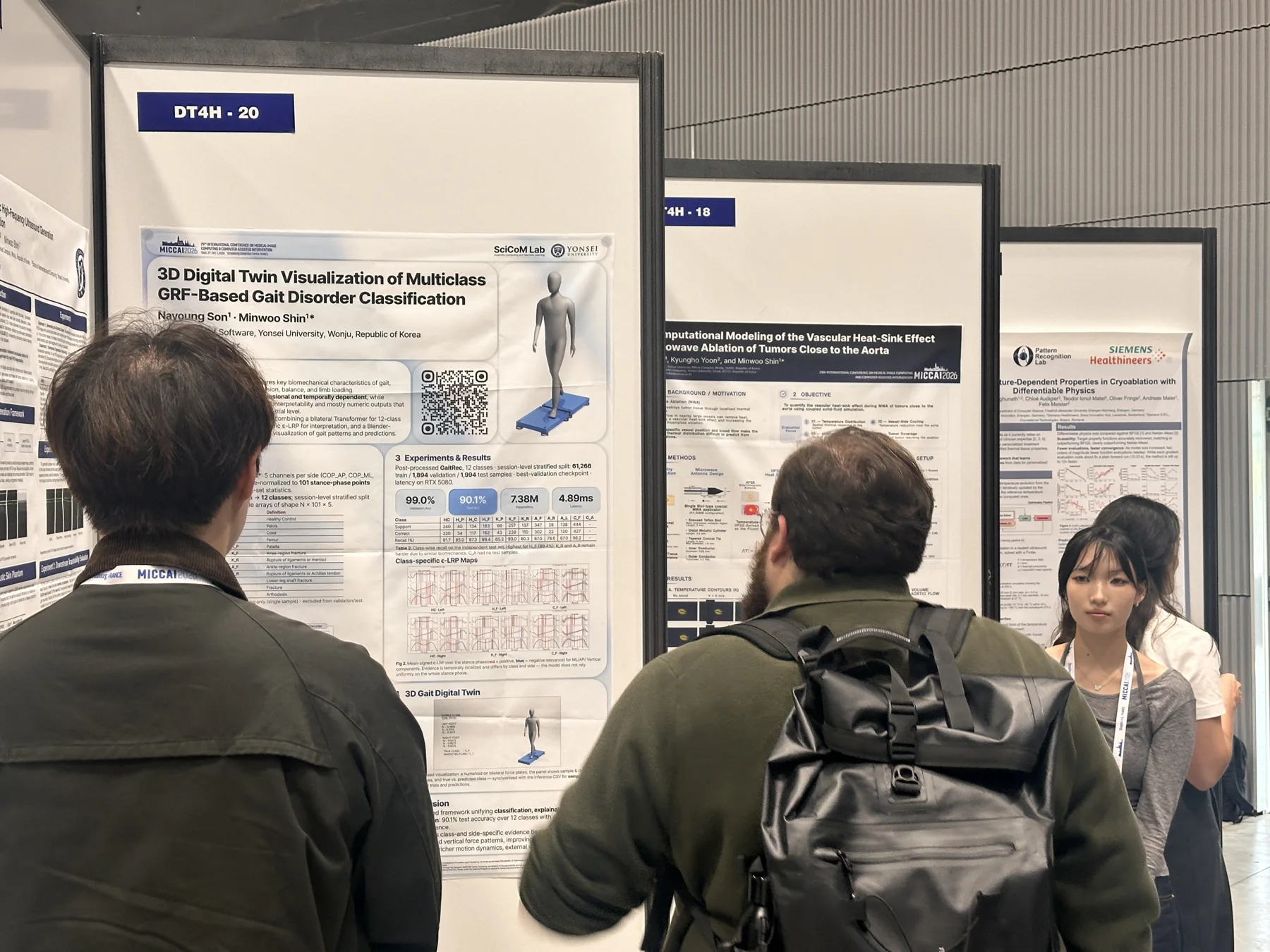
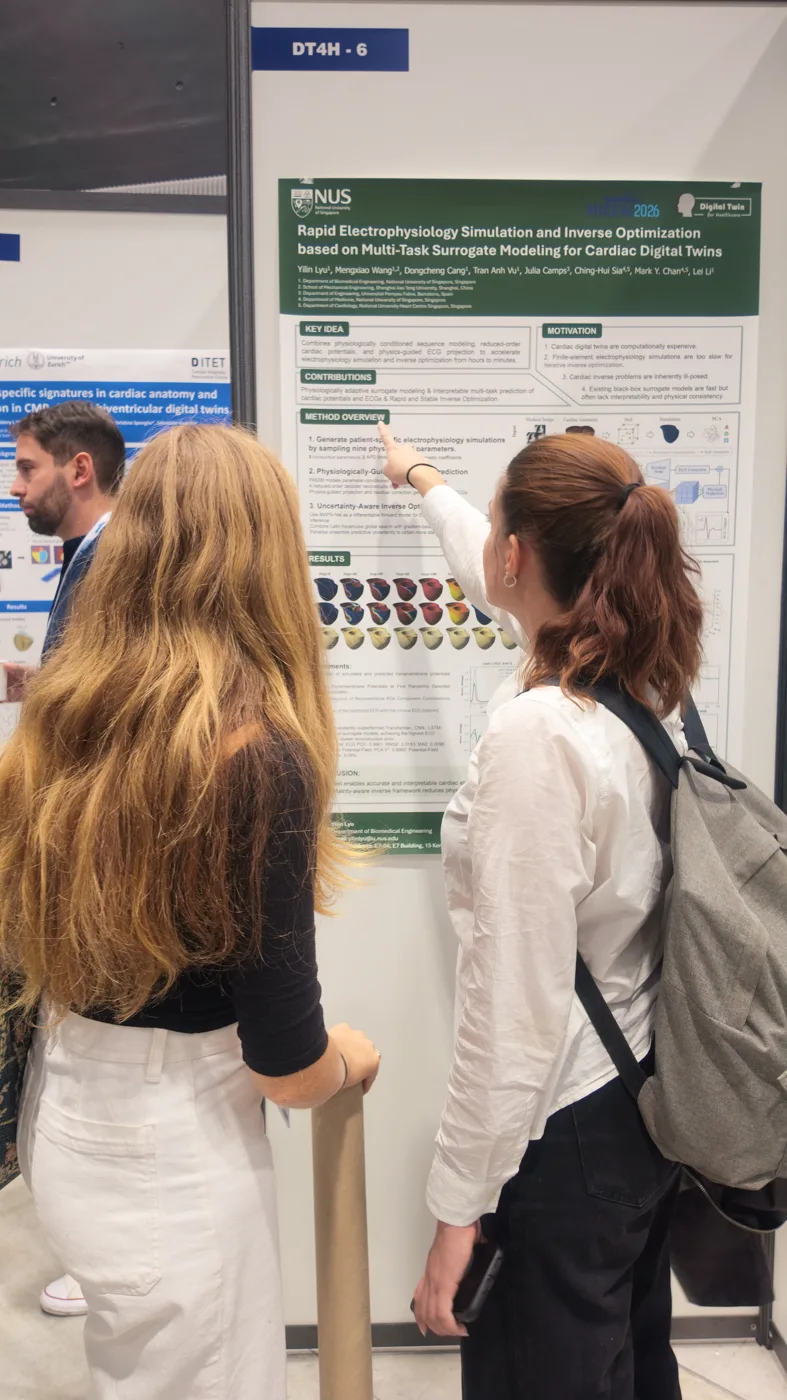
Poster sessions created space for questions, feedback, and connections across disciplines.
03 / Highlights
Recognizing contributions and bringing a memorable afternoon to a close.
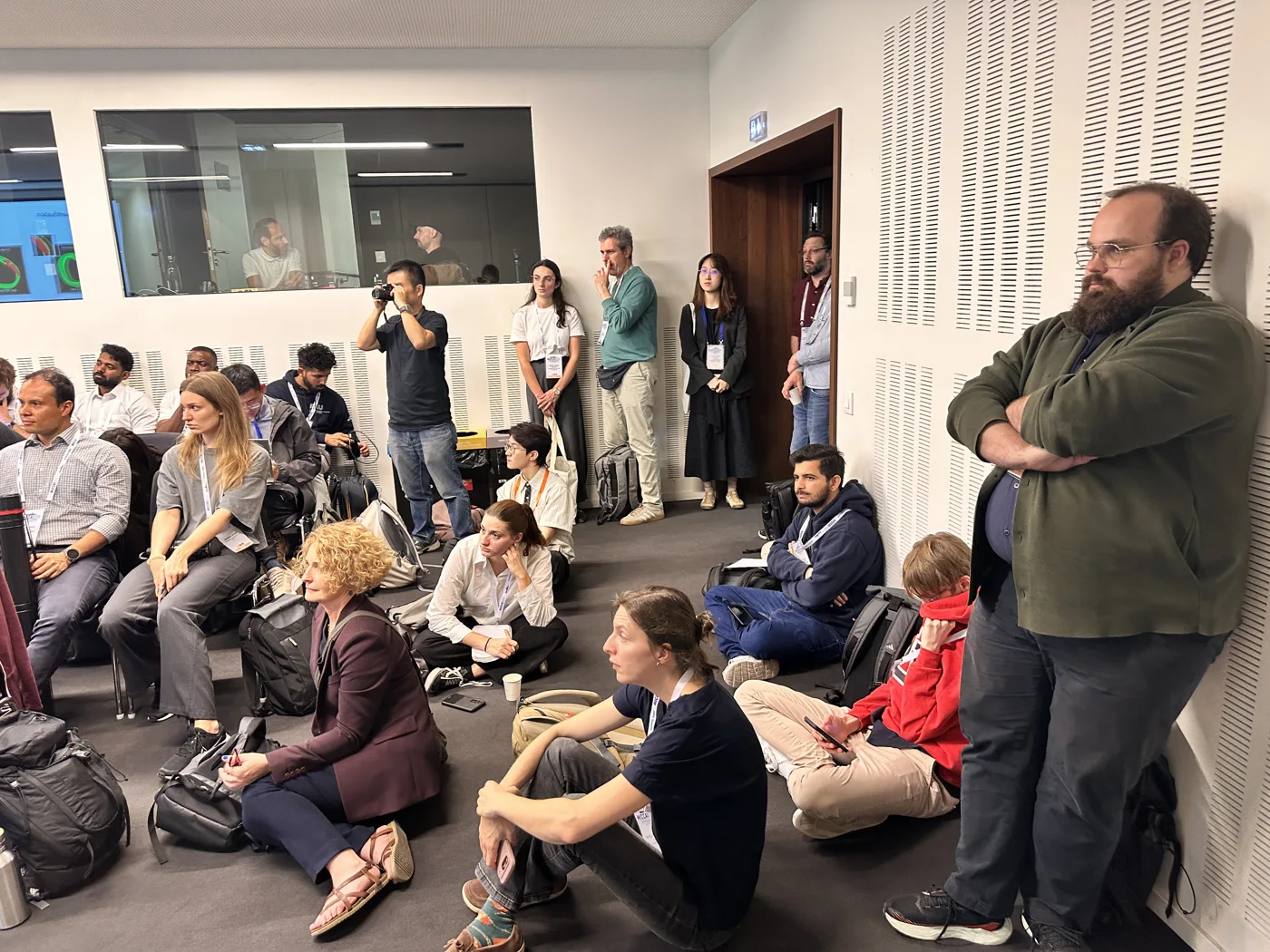
More than 80 participants joined us this year — so many that we ran out of seats! Thank you to everyone who made DT4H 2026 possible.